The Earth Day movement had its beginnings when Rachel Carson published Silent Spring in 1962. She warned that the use of pesticides and herbicides would cause the death of birds and other environmental problems as well as issues regarding human health.
The environment had been polluted to the point that it was unsafe to swim in most larger U.S. rivers, let alone drink their waters. “Acid Rain” and the “Hole in the Ozone” became familiar terms. Pollutants filled the air we breathed. Human activity was driving many species to extinction. Humans were clearly poisoning and dangerously exploiting the natural world, and the U.S. was leading the way.
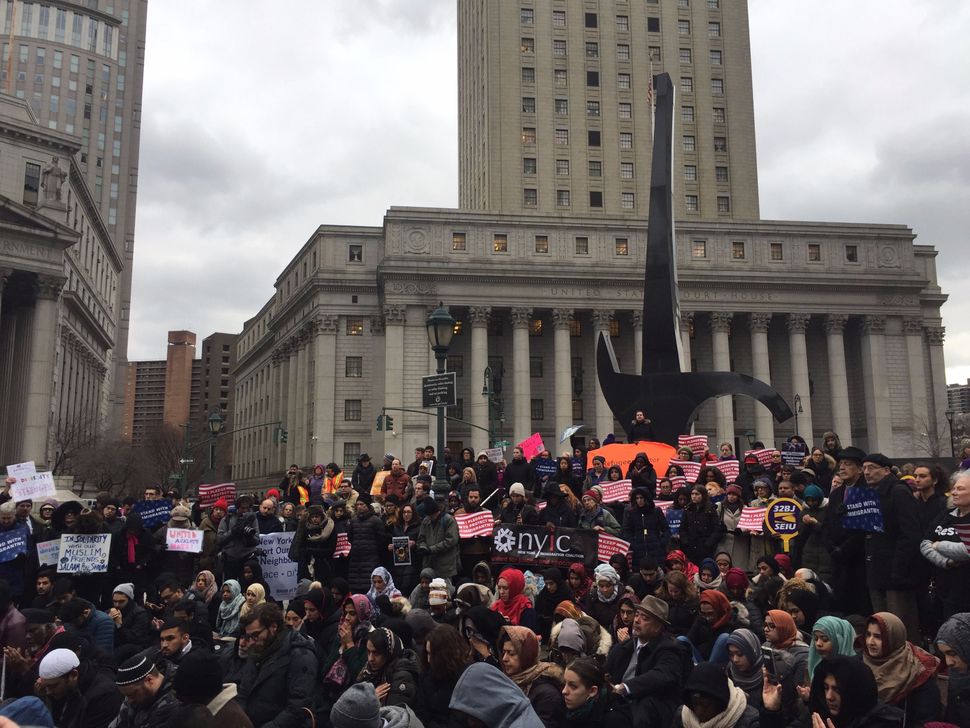
The public movement to address these critical concerns was begun by Sen. Gaylord Nelson and organized by, then, 23 year-old Dennis Hayes. Hayes and his team urged reporters to write about the public’s dissatisfaction over the way the world had become polluted, how the natural world was being exploited, and encourage readers to contact Hayes’ organization. The public response was resounding! Earth Day was designated on April 22, 1970!
The public outcry led to congressional action: The EPA was formed in 1970. Passage of The Clean Water Act (1972), The Marine Mammal Protection Act (1972), The Clean Air Act (1973), The Endangered Species Act (1973) followed.
More needed to be done:
- The near extinction of the brown pelican and the bald eagle from DDT led to the pesticide’s ban (1972).
- Residents of Love Canal (1978), a community built above a municipal and industrial waste dump site, experienced high incidences of birth defects, miscarriages, and other health problems. Litigation followed which resulted in creation of The Superfund Program (1980).
- Pollution from agricultural runoff and selenium in Kesterson National Wildlife Refuge (1982) led to lethal birth deformities in waterfowl and aquatic life including frogs. Resulting legal proceedings exposed federal gag orders requiring suppression of evidence. This willful compromise of human health and safety spurred the passage of legislation to ensure public disclosure and protect whistleblowers.
The world’s human population has more than doubled since the 1970’s – from 3.8 billion to 8.2 billion (2025). Species extinction is unprecedented due to habitat loss, climate change and continued over exploitation. Our oceans have become more polluted with toxic chemicals, plastics, and acidification which have created dead zones. They are literally dying. Climate change and global warming are the new “buzz” words. These changes have led to an increasing frequency of drought and wildfires, glacial melting and resulting sea level rise, and the increasing severity and frequency of storms. Mass migrations of desperate climate refugees have followed, and economic costs are overburdening governments.
The current administration has systematically de-funded, hobbled, reinterpreted, or refused to enforce legislation that so many of us fought for since the 1970’s. We cannot step back from this battle or allow gains to be undone. Earth Day is a reminder that there is still much more to be done, and we must rise to the challenge once again.
Regulations work – The ozone hole is shrinking!
Ozone Watch – NASA